

 Español
 한국어
한국어 عربى
عربى Français
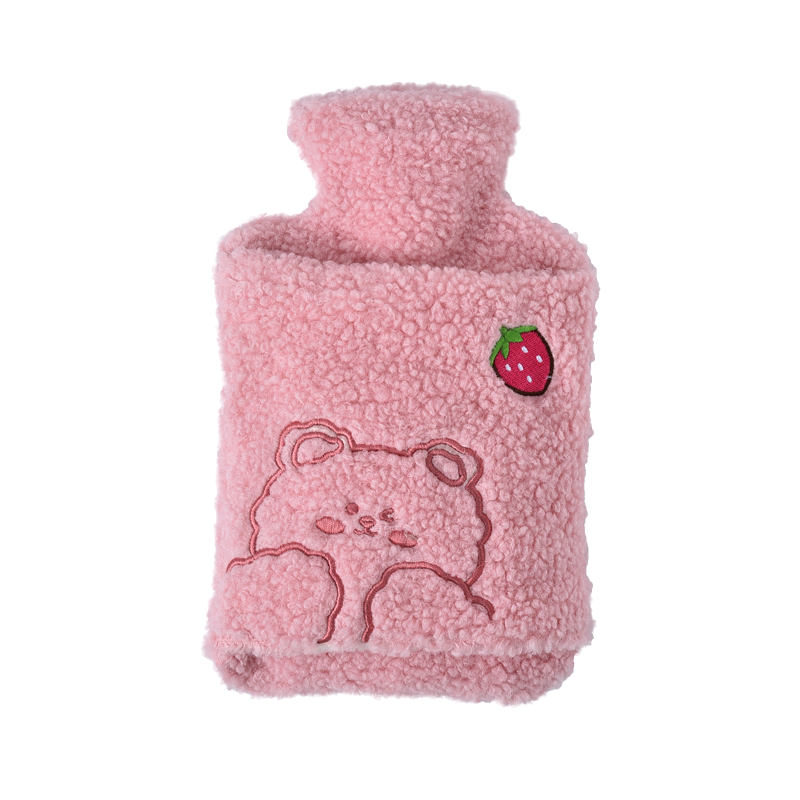
In the realm of personal warmth and therapeutic relief, a simple yet effective product has retained its relevance through generations: the filling PVC hot water bag. This flexible container, typically made from polyvinyl chloride, serves as a portable heat source, providing soothing warmth for muscle aches, cramps, or simply comfort on a cold night. The process of filling a PVC hot water bag—involving careful preparation and handling of hot water—remains a key part of its safe and effective use, even as the product's design and safety features have seen thoughtful updates over time.
The core function of a PVC hot water bag is to safely retain and slowly radiate heat. The material itself, a specific grade of soft, pliable PVC, is chosen for its durability, resistance to high temperatures, and ability to be sealed effectively. A well-manufactured PVC hot water bag is designed to withstand the thermal stress of repeated filling with hot, though not boiling, water. The act of filling is a deliberate process. Users are generally advised to fill the bag about two-thirds full with hot tap water, allowing air to be expelled before sealing the stopper tightly. This air space is crucial, as it gives the water room to expand slightly as it heats further from the bag's own material, preventing excessive pressure buildup.
Safety is the paramount consideration throughout the lifecycle of a PVC hot water bag, especially during filling and use. Modern designs incorporate multiple safety features. The stopper or screw cap typically includes a reliable gasket or washer to prevent leaks and is often engineered to be child-resistant, requiring a specific action to open. Many bags also feature a soft, insulated fabric cover. This cover serves a dual purpose: it prevents the hot surface of the PVC hot water bag from coming into direct contact with the skin, reducing the risk of burns, and it helps to insulate the bag, extending the duration of warmth.
The application of a filling PVC hot water bag is primarily centered on personal care and comfort. It is a common remedy for relieving abdominal discomfort, soothing sore back or shoulder muscles, and warming feet in bed. Its utility extends to first-aid situations for warming an injured person or as a source of gentle, moist heat for therapeutic purposes. The simplicity of the filling process—requiring only a source of hot water and the bag itself—makes it an accessible and cost-effective solution in homes, clinics, and care facilities, independent of electrical outlets or complex controls.
The filling PVC hot water bag represents a durable intersection of basic material science and timeless human need. Its effectiveness hinges on a straightforward principle: containing warm water. The act of filling it correctly is a small but vital ritual that ensures safety and performance. As long as there is a need for portable, controllable, and non-electrical warmth, the process of filling a PVC hot water bag will continue to be a trusted practice, offering reliable comfort through a blend of traditional utility and modern safety-conscious design.
-2.jpg)
.jpg)
.jpg)
-2.jpg)
-2.jpg)
-2.jpg)
-1.jpg)