

 Español
 한국어
한국어 عربى
عربى Français
The enduring need for simple, drug-free solutions for pain relief and personal comfort supports a consistent global market for heating products, with the heating hot water bag factory playing a central role in this supply chain. These specialized manufacturing facilities are dedicated to producing the ubiquitous hot water bottle—a flexible, sealable container designed to be filled with hot water and used for applying warmth. The operations within a heating hot water bag factory blend material science, precision manufacturing, and rigorous safety testing to deliver a reliable product found in households, clinics, and care facilities worldwide.
The core production process in a typical heating hot water bag factory begins with material preparation. The primary component is a specially formulated rubber compound or a food-grade PVC material, chosen for its durability, flexibility, and resistance to heat and aging. This material is calendered into sheets of specific thickness. In automated or semi-automated lines within the heating hot water bag factory, these sheets are die-cut into the distinctive shapes—often rectangular or oval—that will form the front and back panels of the bag. A critical step is the integration of the filling neck, a threaded opening moulded from a harder plastic, which is securely vulcanized or welded to the rubber panel to create a leak-proof connection.
Following cutting and assembly, the panels are fused together. In a modern heating hot water bag factory, this is typically achieved through high-frequency welding or radio-frequency sealing. This process applies heat and pressure precisely along the edges of the two panels, melting the material slightly to form a permanent, robust seam that can withstand repeated filling and the internal pressure of hot water. After sealing, each unit from the heating hot water bag factory undergoes a critical inflation test. It is filled with air under pressure and immersed in water to check for any leaks from the seams or the neck joint—a non-negotiable quality control measure for safety.
Once the basic bag passes inspection, finishing operations commence in the heating hot water bag factory. This includes attaching a secure screw cap, often with a rubber sealing washer, to the neck. Many facilities also apply exterior printing for branding, capacity markings, or safety instructions. The final products from the heating hot water bag factory are then cleaned, often dusted with talc to prevent the rubber surfaces from sticking together, and packaged for shipment. Packaging usually includes basic instructions for use and safety warnings.
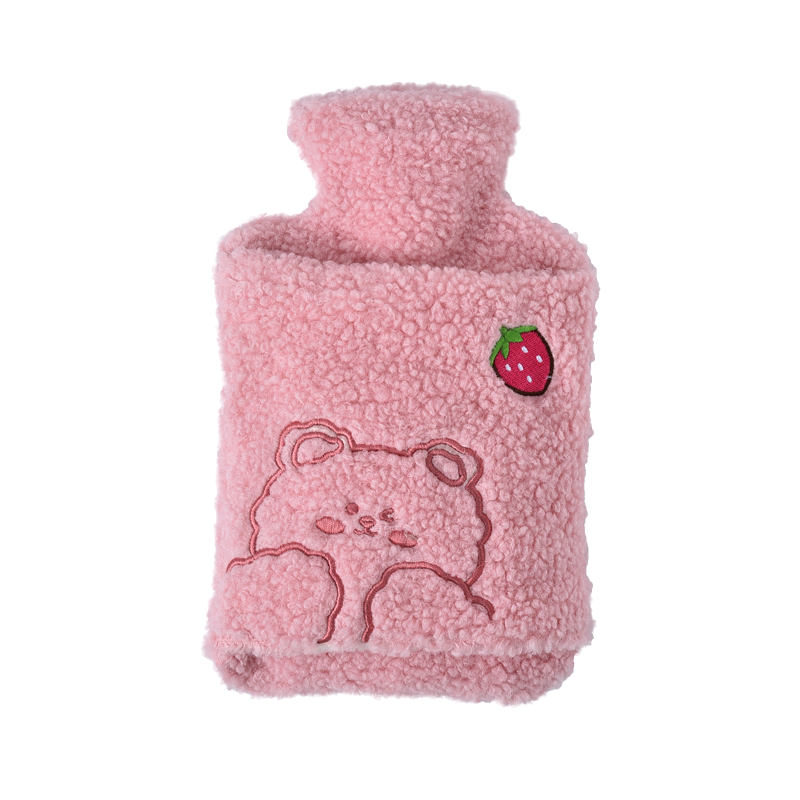
The output of a heating hot water bag factory caters to diverse market segments. This includes producing standard retail models for pharmacies and supermarkets, developing larger-capacity or specially shaped bags for therapeutic use, and manufacturing products that meet specific regional safety certifications. Some factories also produce complementary items, such as fabric covers or knitted cozies, which are sometimes packaged with the bag or sold separately.
The operational focus for a heating hot water bag factory involves adapting to evolving material regulations, exploring more sustainable or bio-based rubber alternatives, and potentially integrating smart manufacturing techniques for greater production efficiency and traceability. While the product itself is simple, its manufacturing requires a steadfast commitment to quality and safety protocols. The consistent demand from consumers seeking affordable, effective warmth ensures that the heating hot water bag factory will continue to be a relevant and active contributor to the global market for personal care and comfort products, turning raw polymers into a trusted household staple through standardized, quality-focused industrial processes.
-2.jpg)
.jpg)
.jpg)
-2.jpg)
-2.jpg)
-2.jpg)
-1.jpg)